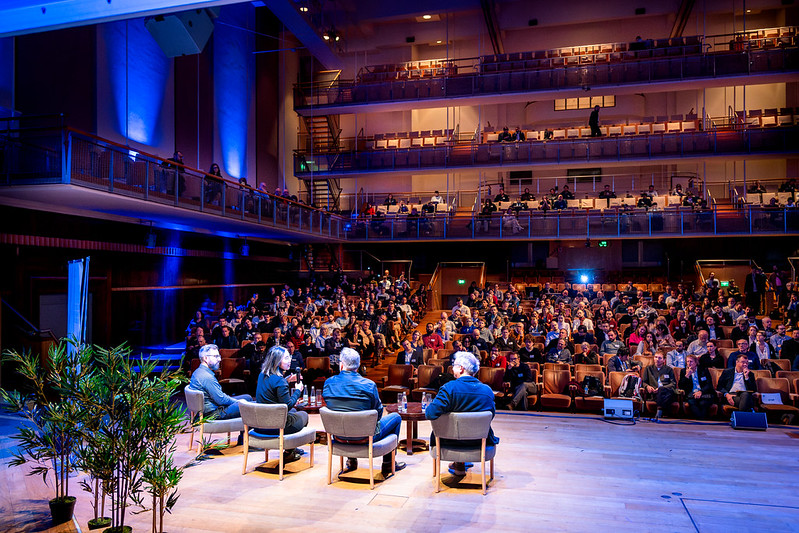
The FARI Brussels Conference returns on 23 and 24 November, find out more!
An Initiative of
Supported by


This autumn, Brussels citizens will come together for the fourth Brussels Citizens’ Climate Assembly, organized by Brussels-Capital Region and Bruxelles Environnement (Leefmilieu Brussel), focusing on responsible and sustainable digital technology.
Author
Hannaert Kenneth
FARI takes part in the fourth Brussels Citizens’ Climate Assembly on responsible digital technology.
This autumn, Brussels citizens will come together for the fourth Brussels Citizens’ Climate Assembly, organized by Brussels–Capital Region and Bruxelles Environnement (Leefmilieu Brussel), focusing on responsible and sustainable digital technology. Together, they will explore how the Brussels-Capital Region can shape a digital transition that is sustainable, fair and accessible to everyone.
As part of the process, FARI – AI for the Common Good Institute has joined the Thematic Observatory as an expert. The Thematic Observatory is there to ensure the quality of the project’s content and processes.
Digital technology is more and more taking an important aspect of our daily lives: we use it to communicate, access public services, work, learn and connect with others. At the same time, digital services depend on physical infrastructure, energy, raw materials and other resources, and their development can have wider environmental and social consequences.
How can we make better use of digital technologies while reducing their environmental impact? And how can we ensure that everyone can benefit from the digital transition?
These questions are at the heart of this fourth cycle, dedicated to responsible and sustainable digital technology. Representing FARI in the Thematic Observatory, Léa Rogliano and Alice Demaret from our Citizen Engagement Hub will contribute to the process by bringing experience at the intersection of Artificial Intelligence, public participation and civil society throughout their discussions with the contributing citizens. Their role is to provide guidance, contribute additional insights, and conduct analyses. Through the Citizen Engagement Hub, FARI connects research and field experience with the needs of citizens and communities, helping to turn insights into concrete projects that serve the common good. Together with other experts, Léa and Alice will contribute to the discussions as citizens work towards recommendations for the Brussels Government.
Putting citizens at the center of the discussion
The Brussels Citizens’ Climate Assembly brings together between 65 and 100 randomly selected Brussels citizens who reflect the diversity of the region. During each cycle, participants explore a specific topic, share experiences, engage with experts and develop proposals for the Government of the Brussels-Capital Region.
For this fourth cycle, citizens will examine how the Brussels-Capital Region can approach digital technology in a way that supports its climate ambitions while also considering social justice, accessibility and the needs of people across the region.
Their discussions will consider both the opportunities offered by digital technologies and the environmental and social challenges they may carry with them.
The process begins in autumn 2026. Following the first Assembly weekend on October 10, participants will continue their discussions through several sessions in November and December. At the beginning of 2027, they will finalize their recommendations before submitting them to the Brussels Government in February.
Throughout the process, citizens will be able to build on their own experiences while engaging with different perspectives, evidence and expertise.
Bringing FARI’s expertise into the citizen process
To support the work of the Assembly, the Thematic Observatory brings together experts in digital technology from research, the public sector, the private sector and civil society. Its role is to help ensure that citizens have access to relevant, balanced and evidence-based information throughout their discussions.
As a member of the Thematic Observatory, FARI contributes its expertise in artificial intelligence, data, robotics and responsible digital innovation.
Our contribution includes identifying experts and field visits that can enrich the citizens’ discussions, sharing relevant research and resources, and providing feedback as their reflections develop. We can also highlight existing initiatives and knowledge that may help citizens better understand the different dimensions of responsible digital technology.
As the Assembly moves from exploring the topic towards developing concrete recommendations, FARI will also contribute by reviewing emerging ideas, providing additional context where needed and helping to verify relevant information. The objective is not to shape the citizens’ conclusions, but to provide them with the knowledge and perspectives they need to develop informed recommendations.
Connecting technology, sustainability and society
For FARI, responsible digital innovation is not only about what technology can do, but also about whether, where and how it should be used, meaning paying attention to its effects on people, public services, communities and the environment, and recognising that technological choices are also social and political choices.
Participating in the Citizens’ Climate Assembly creates an opportunity to connect scientific expertise with the experiences and priorities of Brussels citizens. At the same time, it brings questions around artificial intelligence, data and digital infrastructure into a broader conversation about sustainability, inclusion and the public interest.
Want to learn more about the fourth Citizens’ Climate Assembly?
Discover the Brussels Citizens’ Climate Assembly
Share
Other news