The FARI Brussels Conference returns on 23 and 24 November, find out more!
An Initiative of
Supported by


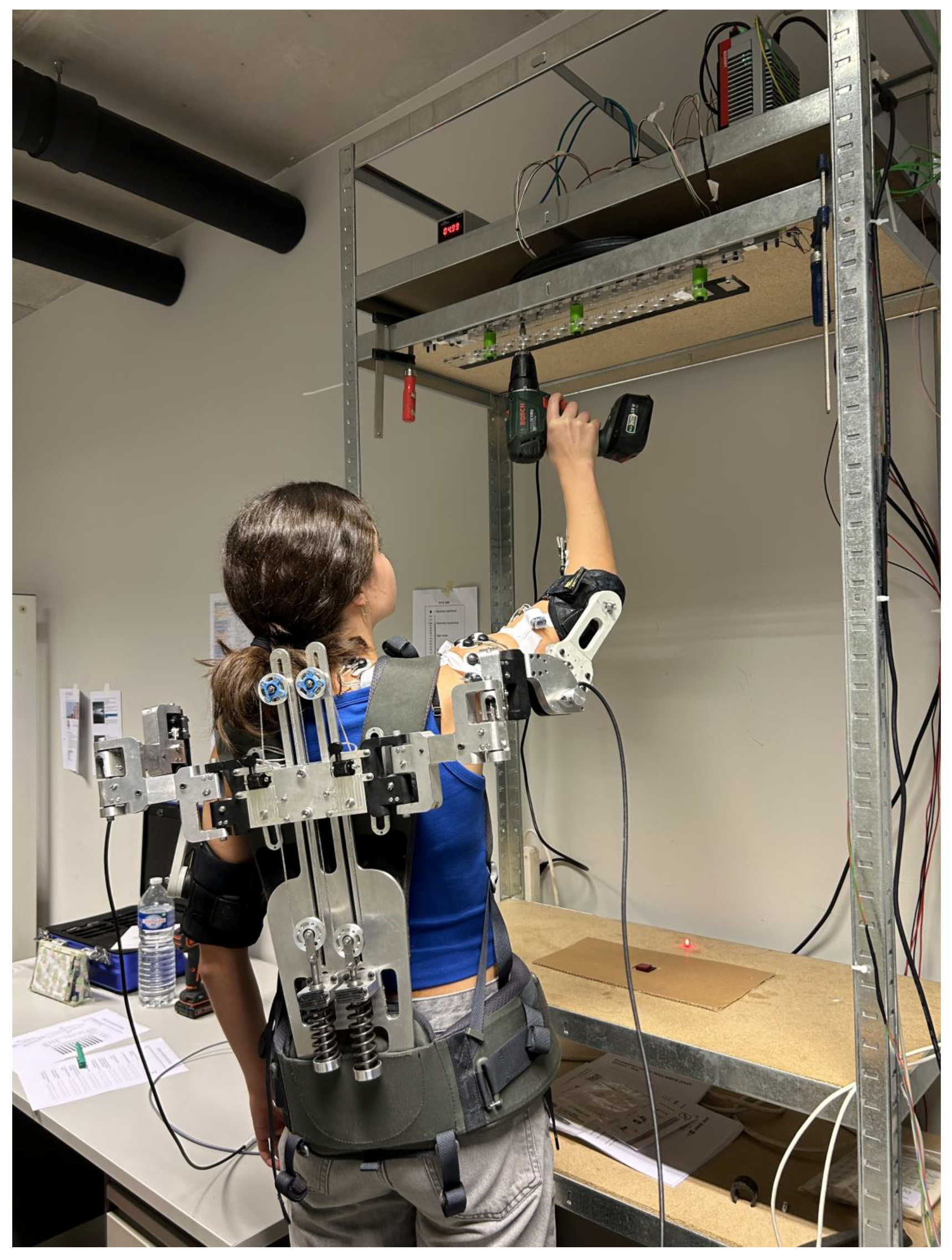
Increase Acceptance of Occupational Exoskeletons in an Industrial Context
JUL 2024
Abstract
Occupational exoskeletons are not yet frequently used at work. Previous research has indicated multiple factors (physiological, implementation-related, work-related, policy, and psycho-social) that can explain this lack of adoption. However, there is a lack of specific requirements related to these themes to improve exoskeletons and their adoption. Therefore, the goal of our research is to formulate concrete requirements for the design and implementation of exoskeletons. We used a design ethnography approach (focus groups, an interview, observations, surveys, and group interviews) with multiple stakeholders (users, designers, and potential future users). Our data suggest that potential future users of exoskeletons believe that existing exoskeletons should be improved to be adopted. Exoskeletons should be more comfortable to wear and flexible enough to support a wider range of tasks. We have formulated 49 requirements for occupational exoskeletons, and we validated and extended an existing framework. Our work encourages the improved design of future or existing exoskeletons.
Authors: Shirley A. Elprama, Sander De Bock, Romain Meeusen, Kevin De Pauw, Bram Vanderborght & An Jacobs
Read the full article here

Contributors

Share
Other publications

Date
MAY 2026
Researchers
Journal Article
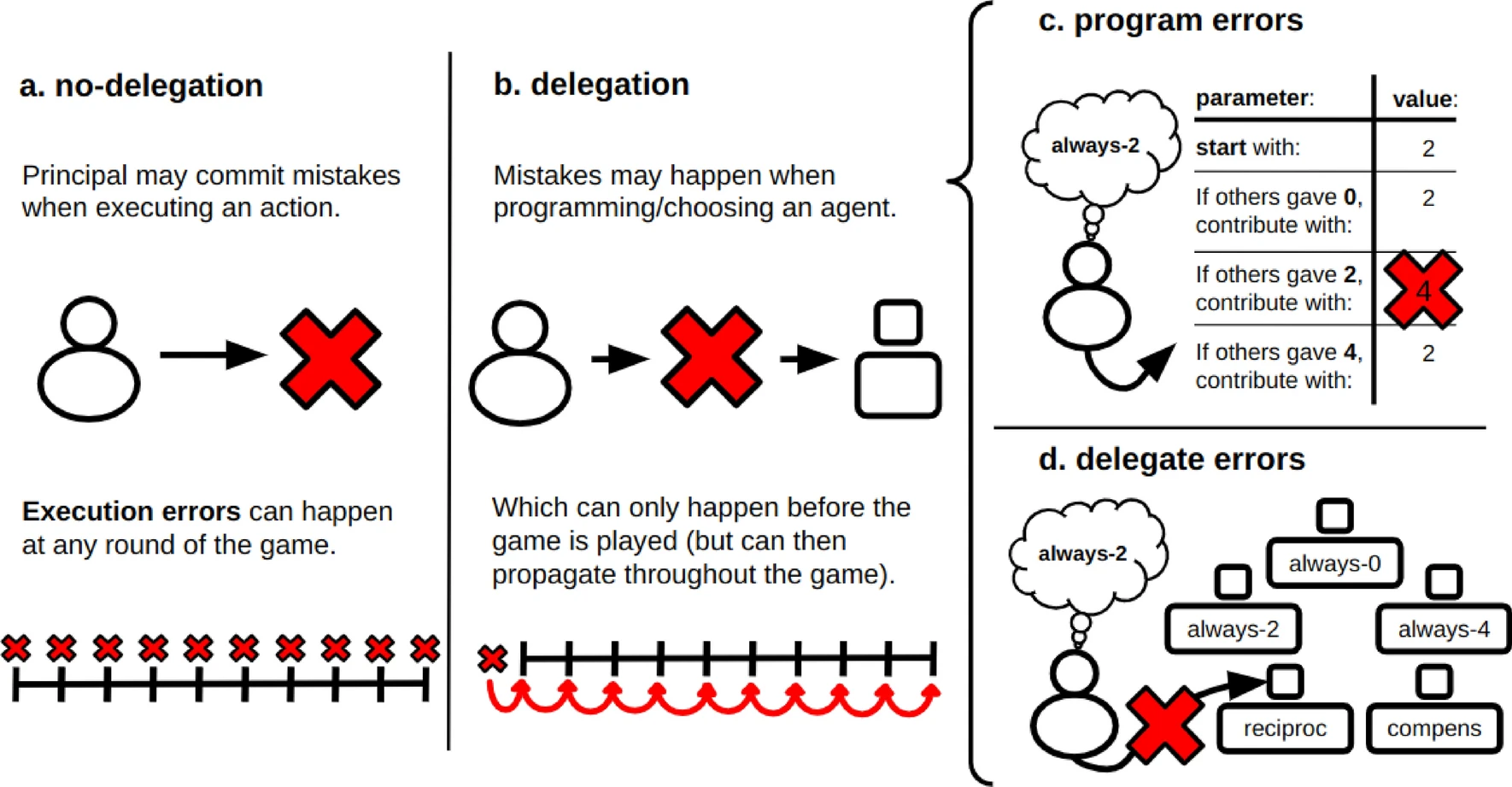
Committing to the wrong artificial delegate in a collective-risk dilemma is better than directly committing mistakes
Date
AUG 2024
Researchers

Date
NOV 2024
Researchers

Journal Article
Delegation to artificial agents fosters prosocial behaviors in the collective risk dilemma
Date
MAY 2022
Researchers